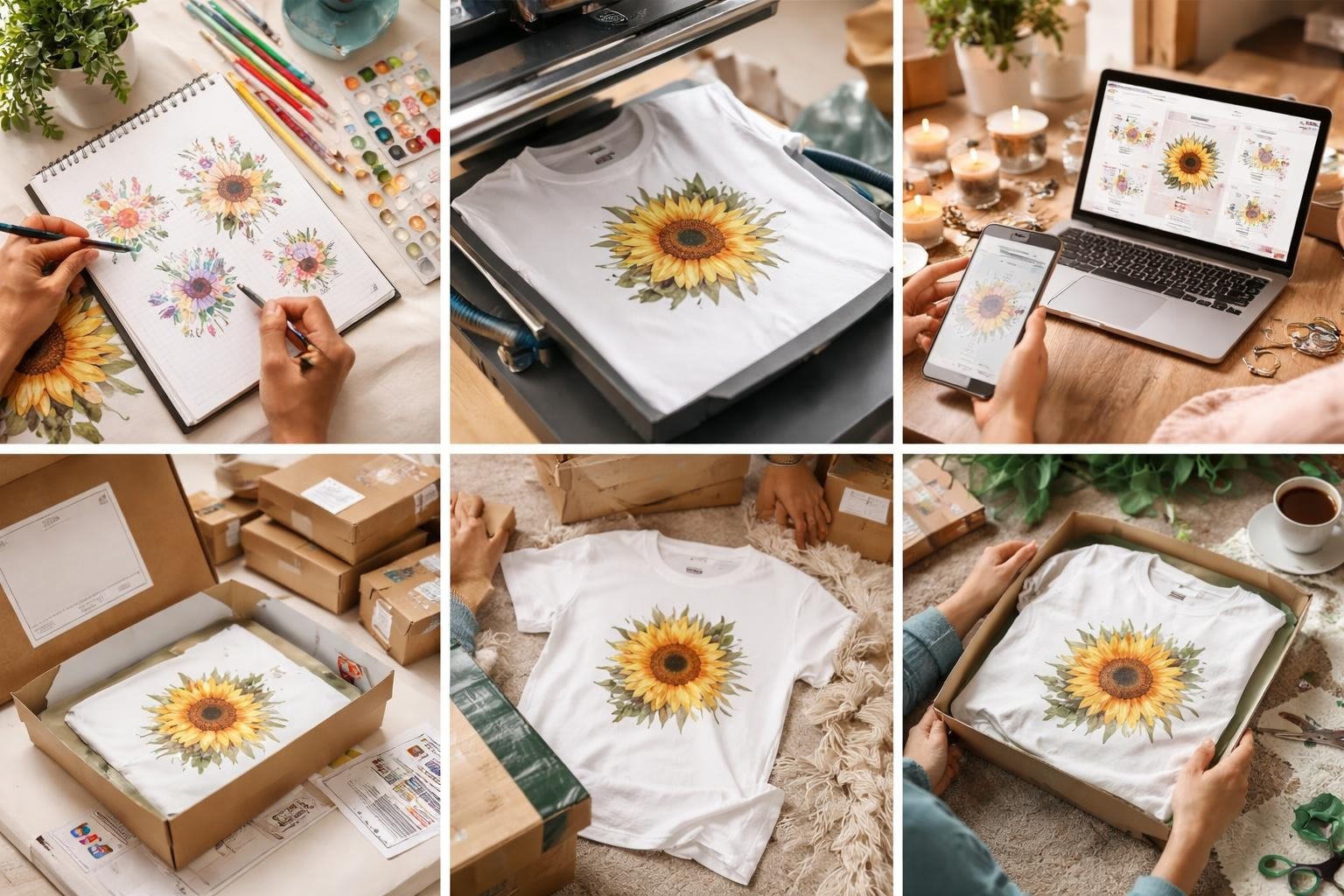
The marketplace for handmade, vintage, and unique items has exploded in recent years, and Etsy stands at the center of this creative commerce revolution. Whether you're considering launching a new shop or looking to expand your current offerings, understanding what makes certain etsy products successful is crucial for building a sustainable business. From cute animal designs to functional home goods, the right product strategy can transform a hobby into a thriving income stream.
Understanding the Etsy Products Landscape
The platform hosts millions of sellers offering everything from digital downloads to handcrafted furniture. What makes etsy products unique is their emphasis on creativity, personalization, and small-batch production. Unlike mass-market retailers, Etsy buyers specifically seek items that feel special and distinctive.
Print-on-demand has revolutionized how sellers approach etsy products. This business model eliminates inventory risk while allowing creators to test dozens of designs simultaneously. For shops like IsaThreads, this means offering cozy mugs with polar bear illustrations one day and expanding to celestial-themed tote bags the next, all without upfront manufacturing costs.
Categories That Drive Sales
Not all product categories perform equally on Etsy. Research shows that certain niches consistently outperform others in terms of both search volume and conversion rates. Understanding these patterns helps sellers focus their creative energy where it matters most.
Top-performing categories for 2026 include:
- Home and living items (pillows, mugs, wall art)
- Apparel and accessories (socks, tote bags, backpacks)
- Pet supplies (beds, bowls, toys)
- Digital products (printables, planners, templates)
- Phone accessories (cases, pop sockets, charms)
According to data on best-selling items on Etsy, personalized products continue to dominate. Customers willingly pay premium prices for items customized with names, dates, or special messages.

Product Selection Strategies for Print-on-Demand
Choosing which etsy products to offer requires balancing market demand with your creative vision. Print-on-demand sellers have unique advantages, but success still requires strategic thinking about what resonates with buyers.
Identifying Trending Designs
Market research forms the foundation of smart product selection. Browse Etsy's bestseller lists, analyze competitor shops, and pay attention to seasonal patterns. Cute animal designs, for instance, maintain year-round appeal, while certain themes like graduation or wedding-related items spike at specific times.
Design themes that consistently perform well include:
- Animal illustrations – Especially adorable or humorous interpretations
- Food and beverage art – Playful representations of coffee, pizza, or sushi
- Celestial and astrology – Moon phases, constellations, zodiac signs
- Wellness and mindfulness – Yoga poses, meditation quotes, self-care messages
- Seasonal and holiday – Designs that celebrate specific occasions
The key is finding the intersection between popular themes and your unique artistic voice. Generic designs get lost in search results, while overly niche concepts may struggle to find an audience.
Product Quality Considerations
While design attracts initial clicks, product quality determines whether customers return and leave positive reviews. For etsy products in the print-on-demand space, this means carefully selecting your production partners and base products.
| Product Type | Key Quality Factors | Customer Priorities |
|---|---|---|
| Mugs | Print durability, dishwasher safety | Heat retention, comfortable grip |
| Phone Cases | Impact protection, precise fit | Slim profile, wireless charging compatibility |
| Tote Bags | Fabric weight, strap strength | Eco-friendliness, carrying capacity |
| Apparel | Fabric softness, size accuracy | Comfort, wash durability |
Testing products yourself before offering them to customers is non-negotiable. Order samples, wash them multiple times, and use them in real-world conditions. This hands-on experience helps you write authentic product descriptions and set realistic customer expectations.
Pricing Your Etsy Products Competitively
Pricing directly impacts both profitability and perceived value. Too low, and you signal poor quality while eroding margins. Too high, and you price yourself out of consideration. Finding the sweet spot requires understanding your costs and your market position.
Calculating True Costs
Many new sellers underestimate the total cost of delivering etsy products to customers. Beyond the base production cost, factor in Etsy's fees, payment processing charges, shipping materials, and your time for customer service and marketing.
Essential cost components:
- Production cost (product + printing)
- Etsy listing fee ($0.20 per listing)
- Transaction fee (6.5% of sale price)
- Payment processing (3% + $0.25)
- Shipping costs and packaging
- Marketing and advertising budget
- Time investment for shop management
After calculating these expenses, apply a markup that allows for profit while remaining competitive. Research shows successful Etsy products typically carry markups between 30% and 100%, depending on the category and perceived uniqueness.
Value-Based Pricing Strategies
Price isn't just about covering costs. It communicates quality and positions your brand in the marketplace. Etsy shoppers often choose mid-range or premium options when they perceive genuine value and craftsmanship.
Consider these pricing tactics:
- Bundle pricing – Offer sets at a slight discount to increase average order value
- Premium positioning – Price slightly above competitors if your designs are truly unique
- Strategic discounts – Use sales sparingly to create urgency without devaluing your brand
- Free shipping thresholds – Encourage larger purchases by offering free shipping over $35
For shops featuring cute animal designs or specialized themes, premium pricing often works better than competing on price. Customers seeking a sloth-themed mug aren't primarily price-shopping; they want the perfect sloth design.

Optimizing Product Listings for Discovery
Creating beautiful etsy products means nothing if customers can't find them. Etsy's search algorithm considers numerous factors when determining which listings to display, and understanding these mechanics is essential for visibility.
Title and Tag Optimization
Your product title serves two masters: search algorithms and human shoppers. It needs to include relevant keywords while remaining readable and appealing. Avoid keyword stuffing, which makes titles awkward and may actually hurt rankings.
Effective title structure includes:
- Primary keyword at the beginning
- Descriptive modifiers (color, size, style)
- Use case or occasion
- Unique selling proposition
Tags function differently than titles. Use all 13 available tags, focusing on specific long-tail phrases rather than single words. "Cute otter coffee mug" performs better as a tag than just "mug" because it targets shoppers with specific intent.
Photography That Converts
Images make or break product listings. Etsy allows up to 10 photos per listing, and successful sellers use this capacity strategically to showcase their etsy products from multiple angles and contexts.
Essential photo types:
- Clean, well-lit product shot on white background
- Lifestyle image showing the product in use
- Close-up highlighting print quality and details
- Size comparison or dimensional reference
- Packaging or unboxing preview
Consistency in photography style helps build brand recognition. When customers browse your shop, they should immediately recognize your aesthetic across all products.
Driving Traffic Beyond Etsy's Internal Search
While optimizing for Etsy's search algorithm is important, savvy sellers recognize the risks of depending entirely on platform traffic. Diversifying your traffic sources protects against algorithm changes and creates more stable revenue streams. Understanding why sellers shouldn’t rely only on Etsy traffic is crucial for long-term sustainability.
Social Media Marketing
Platforms like Instagram, Pinterest, and TikTok offer powerful ways to showcase etsy products visually. Short-form video content performs exceptionally well for demonstrating product quality, sharing behind-the-scenes creation processes, and building authentic connections with potential customers.
Pinterest deserves special attention for Etsy sellers. The platform functions as a visual search engine where users actively seek product inspiration and shopping ideas. Creating pins that link directly to your listings can generate consistent traffic months or even years after posting.
Building Direct Traffic
Direct traffic on Etsy refers to visitors who type your shop URL directly or access it through bookmarks. This traffic type indicates strong brand recognition and customer loyalty, both valuable assets as you scale.
Growing direct traffic requires:
- Email marketing – Collect addresses through shop announcements and follow-ups
- Repeat customer incentives – Reward loyalty with exclusive discounts or early access
- Memorable branding – Choose a shop name that's easy to remember and spell
- Consistent quality – Deliver exceptional experiences that encourage returns
Building an email list allows you to market new etsy products directly to interested buyers without competing in crowded search results or paying for ads.
Seasonal Planning and Product Rotation
Etsy's marketplace ebbs and flows with seasonal demand. Understanding these patterns helps you plan inventory, create timely designs, and maximize revenue during peak shopping periods.
Major Shopping Seasons
Different etsy products peak at different times throughout the year. Planning your design calendar around these patterns ensures you're ready when customer interest surges.
| Season | Peak Products | Preparation Timeline |
|---|---|---|
| Spring | Pet beds, tote bags, home decor | January-February |
| Summer | Phone cases, backpacks, outdoor items | March-April |
| Fall | Mugs, pillows, cozy apparel | June-July |
| Winter | Gift sets, holiday-themed items | August-September |
The most successful shops maintain a core collection of evergreen products while rotating seasonal designs. Adorable animal designs work year-round, but adding seasonal elements (polar bears in winter sweaters, puppies with spring flowers) capitalizes on timely trends.
Testing and Iterating
Not every product idea will succeed, and that's perfectly normal. The print-on-demand model allows for low-risk experimentation. Launch new designs in small batches, monitor performance for 30-60 days, and double down on winners while retiring underperformers.
Key performance metrics to track:
- Views per listing
- Conversion rate (sales divided by views)
- Customer reviews and ratings
- Return/complaint rates
- Profit margin after all expenses
Data-driven decisions remove guesswork from product selection. If celestial-themed pillows consistently outperform food art designs, shift more creative energy toward astronomy and constellation themes.

Sustainability and Ethical Considerations
Modern consumers increasingly prioritize sustainability and ethical production when making purchase decisions. This trend particularly impacts etsy products, where buyers already seek alternatives to mass-market goods. Etsy’s commitment to sustainability sets a foundation, but individual sellers can take additional steps.
Eco-Friendly Product Choices
Print-on-demand inherently reduces waste by eliminating unsold inventory, but material selection matters too. Offering organic cotton tote bags, recycled polyester pillows, or sustainably sourced bamboo products appeals to environmentally conscious shoppers.
Communicate these choices clearly in your listings. When describing etsy products, mention:
- Sustainable materials used
- Eco-friendly printing processes
- Reduced packaging waste
- Carbon offset programs
These details justify premium pricing while attracting customers who align with your values.
Transparency in Production
Today's buyers want to know where and how products are made. Being transparent about your print-on-demand partnerships, production locations, and quality control processes builds trust and differentiates your shop from competitors.
Share your production story through:
- About section details
- Product description footnotes
- Social media behind-the-scenes content
- FAQ addressing common questions
Authenticity resonates with Etsy's community-focused marketplace. Customers appreciate knowing they're supporting a real person pursuing their creative passion rather than an anonymous corporate entity.
Expanding Your Product Line Strategically
Once you've established initial success with certain etsy products, expansion becomes the next growth phase. However, random addition of unrelated items can dilute your brand and confuse customers.
Complementary Product Strategies
The most effective expansion maintains thematic consistency while offering variety. If adorable sloth designs drive your mug sales, consider extending that same design to phone cases, tote bags, and pillows. This approach serves customers who want to build a coordinated collection around themes they love.
Expansion approaches:
- Vertical expansion – Offer same designs across multiple product types
- Horizontal expansion – Add new design themes within existing product categories
- Bundled sets – Create gift sets combining complementary items
- Limited editions – Release exclusive designs for specific events or seasons
Each new product should align with your established brand identity while providing genuine value to existing customers.
Managing SKU Complexity
More products mean more complexity in inventory management, even with print-on-demand. Too many options can overwhelm both you and your customers. Finding the right balance requires ongoing analysis of which etsy products justify their listing fees and management time.
Consider implementing these organizational strategies:
- Group related designs into collections
- Use consistent naming conventions
- Regularly audit and retire poor performers
- Focus deep rather than wide (many variations of best-sellers)
Quality trumps quantity in building a sustainable Etsy business. Ten excellent products with strong photography and optimized listings outperform fifty mediocre offerings every time.
Customer Service Excellence
Outstanding customer service transforms one-time buyers into repeat customers and brand advocates. In the competitive landscape of etsy products, responsive communication and problem-solving separate memorable shops from forgettable ones.
Response Time and Communication
Etsy tracks response times and uses this metric in search rankings. Shops that respond to messages within 24 hours gain algorithmic advantages while building customer trust.
Best practices include:
- Set up mobile notifications for immediate message alerts
- Create saved responses for common questions
- Provide tracking information proactively
- Follow up after delivery to ensure satisfaction
Clear communication prevents misunderstandings about customization options, shipping timelines, and product specifications.
Handling Issues Professionally
Despite best efforts, problems occasionally arise. Products arrive damaged, designs don't meet expectations, or shipping delays frustrate customers. How you handle these situations defines your reputation.
When issues occur:
- Respond quickly – Acknowledge the problem immediately
- Take responsibility – Even if technically not your fault
- Offer solutions – Replacement, refund, or discount on future purchase
- Learn and improve – Adjust processes to prevent recurrence
Negative reviews happen, but prompt, professional resolution often leads customers to revise their feedback or become loyal supporters who appreciate your integrity.
Successfully selling etsy products requires balancing creativity with business strategy, understanding both market trends and your unique value proposition. Whether you're designing adorable animal illustrations or playful food art, focusing on quality, customer experience, and smart marketing creates sustainable growth. Ready to add some joy to your life with uniquely designed products? Explore the charming collection at IsaThreads, where every item brings a smile through original designs featuring everything from cuddly sloths to celestial themes.
Leave a Reply